Photovoltaic structural silicone vs Standard polyurethane sealant
The rapid development of solar energy systems has increased the demand for reliable sealing materials that can maintain long-term performance under outdoor conditions. In photovoltaic module manufacturing and installation, choosing the correct sealing technology directly affects the durability, safety, and service life of solar panels. Compared with standard polyurethane sealants, photovoltaic structural silicone products are specially engineered to provide stronger weather resistance, better UV stability, and long-term bonding performance.
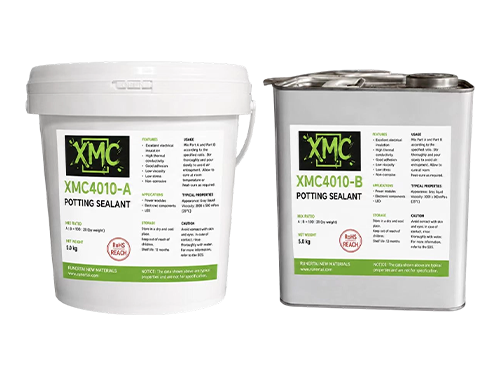
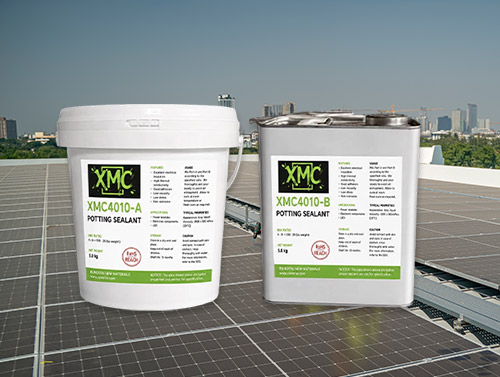
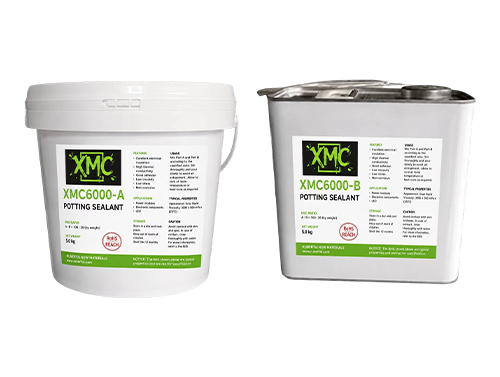
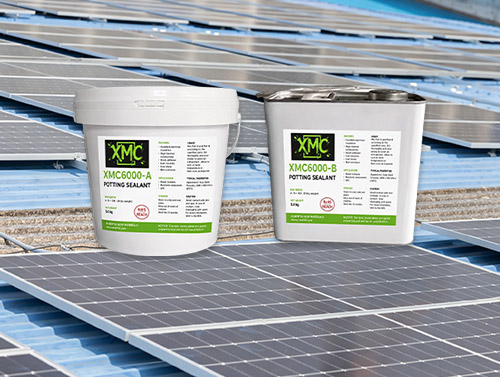
A น้ำยาเคลือบหลุมร่องฟันโซลาร์เซลล์ is developed specifically for solar module applications where protection against moisture, temperature changes, and environmental exposure is essential. Unlike general-purpose sealing materials, it is designed according to the requirements of photovoltaic manufacturing processes, including module assembly, frame bonding, junction box sealing, and structural protection. Understanding the differences between photovoltaic structural silicone and standard polyurethane sealant helps engineers and manufacturers select the appropriate material for different solar energy projects.
1. กาวซิลิโคนโครงสร้างไฟฟ้าโซลาร์เซลล์: ออกแบบมาเพื่อความน่าเชื่อถือของโมดูลแสงอาทิตย์ในระยะยาว
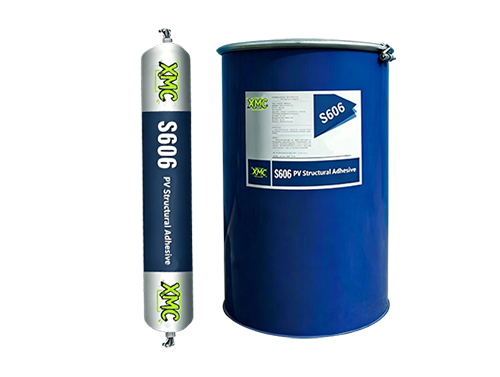
กาวซิลิโคนโครงสร้างไฟฟ้าโซลาร์เซลล์เป็นวัสดุปิดผนึกชนิดพิเศษที่ใช้ในการผลิตและติดตั้งแผงโซลาร์เซลล์ หน้าที่หลักไม่เพียงแต่ป้องกันการซึมผ่านของน้ำเท่านั้น แต่ยังให้การยึดเกาะทางโครงสร้างที่คงทนระหว่างส่วนประกอบไฟฟ้าโซลาร์เซลล์อีกด้วย น้ำยาซีลประเภทนี้ออกแบบมาให้ทนทานต่อแสงแดด ความชื้น ลม และความผันผวนของอุณหภูมิอย่างต่อเนื่อง
ข้อได้เปรียบหลักของเทคโนโลยีซิลิโคนโครงสร้างคือทนทานต่อความชราได้ดีเยี่ยม Solar modules are commonly installed outdoors for many years, meaning the sealing material must maintain elasticity and adhesion after repeated environmental stress. สารเคลือบหลุมร่องฟันที่ใช้ซิลิโคนเป็นส่วนประกอบหลักให้ประสิทธิภาพที่มั่นคงภายใต้สภาพอากาศที่รุนแรง , reducing the risk of cracks, leakage, and bonding failure.
In photovoltaic module production, structural silicone is commonly applied around module frames, glass bonding areas, and critical connection points. วัสดุนี้สร้างชั้นการปิดผนึกที่ยืดหยุ่นแต่แข็งแกร่ง ซึ่งรองรับการขยายตัวทางความร้อนและการหดตัวของส่วนประกอบต่างๆ This characteristic makes it different from standard polyurethane sealants, which may experience faster performance changes when exposed to prolonged UV radiation.
- ทนต่อรังสี UV และสภาพอากาศภายนอกได้ดีเยี่ยม
- รักษาความยืดหยุ่นในระหว่างการเปลี่ยนแปลงของอุณหภูมิและความเครียดทางกล
- ให้การยึดเกาะที่แข็งแกร่งกับกระจก กรอบอะลูมิเนียม และส่วนประกอบของระบบไฟฟ้าโซลาร์เซลล์
- เหมาะสำหรับการป้องกันโครงสร้างโมดูลแสงอาทิตย์ในระยะยาว
For manufacturers requiring stable quality and customized production support, Shanghai XMC New Material Technology Co., Ltd. provides professional sealant manufacturing capabilities. With modern production facilities and extensive experience in silicone sealant development, XMC supports photovoltaic industries with consistent materials and customized solutions for different application requirements.
2. น้ำยาซีลรอยต่อ PV: ปกป้องการเชื่อมต่อและป้องกันความเสียหายต่อสิ่งแวดล้อม
สารเคลือบรอยต่อ PV เป็นอีกหนึ่งประเภทที่สำคัญที่ใช้ในระบบไฟฟ้าโซลาร์เซลล์ Unlike structural silicone, which focuses on bonding strength, joint sealant mainly focuses on sealing gaps, preventing moisture intrusion, and protecting connection areas. มีการใช้กันอย่างแพร่หลายในขอบโมดูล ข้อต่อการติดตั้ง และพื้นที่ที่ต้องการการปกป้องสิ่งแวดล้อมที่เชื่อถือได้
มีคุณภาพสูง น้ำยาเคลือบแผงโซลาร์เซลล์ ต้องคงการยึดเกาะที่ดีเยี่ยมในขณะเดียวกันก็เคลื่อนไหวได้เนื่องจากการขยายตัวทางความร้อน ในระหว่างการทำงานในแต่ละวัน แผงโซลาร์เซลล์จะพบกับวงจรการทำความร้อนและความเย็นซ้ำๆ วัสดุปิดผนึกรอยต่อที่เหมาะสมต้องมีความยืดหยุ่นเพียงพอเพื่อป้องกันการแยกระหว่างวัสดุต่างๆ
การวางตำแหน่งของน้ำยาซีลข้อต่อ PV นั้นแตกต่างจากเกรดกาวโครงสร้าง Structural products are mainly responsible for mechanical bonding, while joint sealants provide additional protection against water, dust, and contaminants. ทั้งสองประเภททำงานร่วมกันเพื่อปรับปรุงความน่าเชื่อถือโดยรวมของระบบไฟฟ้าโซลาร์เซลล์
| หมวดหมู่สินค้า | ฟังก์ชั่นหลัก | การใช้งานทั่วไป | ข้อได้เปรียบหลัก |
| ซิลิโคนโครงสร้างไฟฟ้าโซลาร์เซลล์ | การเชื่อมและการปิดผนึกโครงสร้าง | กรอบโมดูล การติดกระจก พื้นที่การประกอบ | มีความทนทานสูงและการยึดเกาะยาวนาน |
| PV Joint Sealant | การปิดผนึกช่องว่างและการป้องกันความชื้น | ขอบโมดูล ข้อต่อ การเชื่อมต่อการติดตั้ง | ประสิทธิภาพการปิดผนึกที่ยืดหยุ่น |
| น้ำยาซีลโพลียูรีเทนมาตรฐาน | การปิดผนึกการก่อสร้างทั่วไป | การสร้างข้อต่อและการปิดผนึกทางอุตสาหกรรมทั่วไป | การยึดเกาะเริ่มต้นที่ดีและความคล่องตัว |
XMC develops different sealant grades according to application requirements, including products for industrial sealing and photovoltaic-related applications. Through strict quality control processes, the company ensures stable performance for customers requiring reliable sealing materials in renewable energy projects.
- ประเมินพื้นที่การใช้งานและพิจารณาว่าจำเป็นต้องมีการยึดติดโครงสร้างหรือการปิดผนึกรอยต่อหรือไม่
- เลือกเกรดยาแนวตามการสัมผัสสิ่งแวดล้อม วัสดุของพื้นผิว และเงื่อนไขการบริการที่คาดหวัง
- ปฏิบัติตามขั้นตอนการเตรียมพื้นผิวและการใช้งานที่เหมาะสมเพื่อให้ได้ประสิทธิภาพการซีลที่สม่ำเสมอ
3. น้ำยาซีลแผงเซลล์แสงอาทิตย์โมดูล PV: การป้องกันเฉพาะสำหรับการผลิตพลังงานแสงอาทิตย์
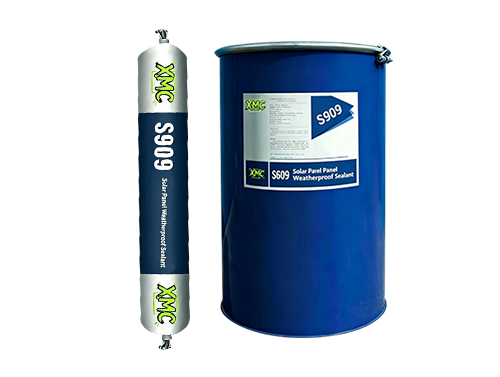
สารเคลือบหลุมร่องฟันแผงโซลาร์เซลล์โมดูล PV ได้รับการออกแบบมาโดยเฉพาะสำหรับกระบวนการผลิตโมดูลไฟฟ้าโซลาร์เซลล์ It combines sealing ability with material compatibility, ensuring that solar panels maintain reliable performance throughout their operating period. เมื่อเปรียบเทียบกับสารเคลือบหลุมร่องฟันโพลียูรีเทนมาตรฐาน วัสดุเฉพาะสำหรับแผงเซลล์แสงอาทิตย์ได้รับการปรับให้เหมาะกับความต้องการเฉพาะของการใช้งานพลังงานแสงอาทิตย์
The production environment of solar modules requires sealants that can bond effectively with materials such as glass, metals, and polymer components. เหมาะสม น้ำยาซีลซิลิโคนสำหรับแผงโซลาร์เซลล์ มีความต้านทานต่อสภาพอากาศที่ดีเยี่ยมและช่วยรักษาความสมบูรณ์ของโมดูลภายใต้สภาพกลางแจ้ง
ความแตกต่างที่สำคัญระหว่างสารเคลือบหลุมร่องฟันจากเซลล์แสงอาทิตย์และผลิตภัณฑ์โพลียูรีเทนมาตรฐานคือความเสถียรในระยะยาว Polyurethane sealants are commonly used in construction and industrial fields, but photovoltaic applications require higher resistance to continuous sunlight exposure and temperature variation. สูตรที่ใช้ซิลิโคนให้ความต้านทานต่อปัจจัยการเสื่อมสภาพที่มักส่งผลต่ออุปกรณ์กลางแจ้งได้ดีกว่า
Shanghai XMC New Material Technology Co., Ltd. ได้สั่งสมประสบการณ์มากกว่า 20 ปีในการผลิตสารเคลือบหลุมร่องฟัน บริษัทมุ่งเน้นไปที่ผลิตภัณฑ์ยาแนวซิลิโคน ยาแนวโพลียูรีเทน ยาแนว MS และผลิตภัณฑ์กาวอื่นๆ Its integrated manufacturing and trading capabilities allow it to provide OEM customization, stable supply, and technical support for customers in different industries.
- เหมาะสำหรับการผลิตและติดตั้งโมดูลเซลล์แสงอาทิตย์
- ให้การป้องกันความชื้น รังสี UV และอุณหภูมิที่สูงมาก
- มีให้เลือกหลายเกรดสำหรับการปิดผนึกรอยต่อและการยึดติดโครงสร้าง
- รองรับบรรจุภัณฑ์ที่ปรับแต่งและข้อกำหนดของผลิตภัณฑ์สำหรับพันธมิตรทั่วโลก
เหตุใดวัสดุเคลือบหลุมร่องฟันด้วยไฟฟ้าโซลาร์เซลล์จึงทำงานได้ดีกว่าวัสดุเคลือบหลุมร่องฟันโพลียูรีเทนมาตรฐาน
การเลือกระหว่างซิลิโคนโครงสร้างเซลล์แสงอาทิตย์และกาวโพลียูรีเทนมาตรฐานขึ้นอยู่กับข้อกำหนดการใช้งาน Polyurethane sealants can provide good sealing performance in many construction environments, but photovoltaic systems require materials with stronger resistance to long-term outdoor exposure.
สารเคลือบหลุมร่องฟันแผงโซลาร์เซลล์โมดูล PV ได้รับการพัฒนาโดยเฉพาะสำหรับการใช้พลังงานหมุนเวียน โดยที่ความน่าเชื่อถือและอายุการใช้งานเป็นปัจจัยสำคัญ ให้การยึดเกาะที่มั่นคง ประสิทธิภาพการปิดผนึกที่ยืดหยุ่น และความต้านทานต่อการเปลี่ยนแปลงสภาพแวดล้อม คุณลักษณะเหล่านี้ทำให้เหมาะสำหรับโมดูลแสงอาทิตย์ที่ติดตั้งในสภาพอากาศที่แตกต่างกัน
| รายการเปรียบเทียบ | น้ำยาซีลไฟฟ้าโซลาร์เซลล์ | น้ำยาซีลโพลียูรีเทนมาตรฐาน |
| โฟกัสการใช้งาน | ผลิตและติดตั้งแผงโซลาร์เซลล์ | การปิดผนึกอุตสาหกรรมและการก่อสร้างทั่วไป |
| ทนต่อสภาพอากาศ | ออกแบบมาเพื่อการสัมผัสกลางแจ้งในระยะยาว | ขึ้นอยู่กับสูตรและสภาพแวดล้อม |
| การใช้งานทั่วไป | Solar panels, photovoltaic joints, module assembly | การสร้างข้อต่อและการใช้งานทางอุตสาหกรรม |
คำถามที่พบบ่อย
คำถามที่ 1: ซิลิโคนโครงสร้างเซลล์แสงอาทิตย์และกาวโพลียูรีเทนมาตรฐานแตกต่างกันอย่างไร?
Photovoltaic structural silicone is developed for solar applications and provides stronger resistance to UV exposure, temperature changes, and long-term outdoor aging. Standard polyurethane sealant is mainly used for general sealing applications and may not provide the same durability in photovoltaic environments.
คำถามที่ 2: ทำไมจึงเป็นเช่นนั้น น้ำยาซีลซิลิโคนสำหรับแผงโซลาร์เซลล์ ที่ใช้กันทั่วไปในระบบไฟฟ้าโซลาร์เซลล์?
กาวซิลิโคนสำหรับแผงโซลาร์เซลล์ให้การยึดเกาะที่เชื่อถือได้ ความยืดหยุ่น และทนต่อสภาพอากาศ ช่วยปกป้องโมดูลเซลล์แสงอาทิตย์จากความชื้น การปนเปื้อนต่อสิ่งแวดล้อม และความเสื่อมประสิทธิภาพในระยะยาว
Q3: What applications can PV Module Solar Panel Sealant be used for?
น้ำยาซีลแผงโซลาร์เซลล์โมดูล PV can be used for photovoltaic module assembly, frame bonding, joint sealing, and other solar energy installation applications requiring durable protection.
คำถามที่ 4: XMC มีโซลูชั่นยาแนวเซลล์แสงอาทิตย์แบบปรับแต่งเองได้หรือไม่
ใช่. Shanghai XMC New Material Technology Co., Ltd. provides customized sealant manufacturing services, OEM support, and stable production capacity to meet different requirements from distributors, brands, and engineering customers worldwide.